Everybody wants to predict the next trend. Not because trends are inherently important, but because if you understand where culture is moving before everyone else does, you get time. Time to position yourself. Time to experiment. Time to build a body of work before the wave hits the mainstream.
Cowboys All Around
Lately, I’ve been obsessed with trying to understand how these trend cycles actually happen.
Because if you look around right now, we’re clearly living through one. Cowboy culture is everywhere.
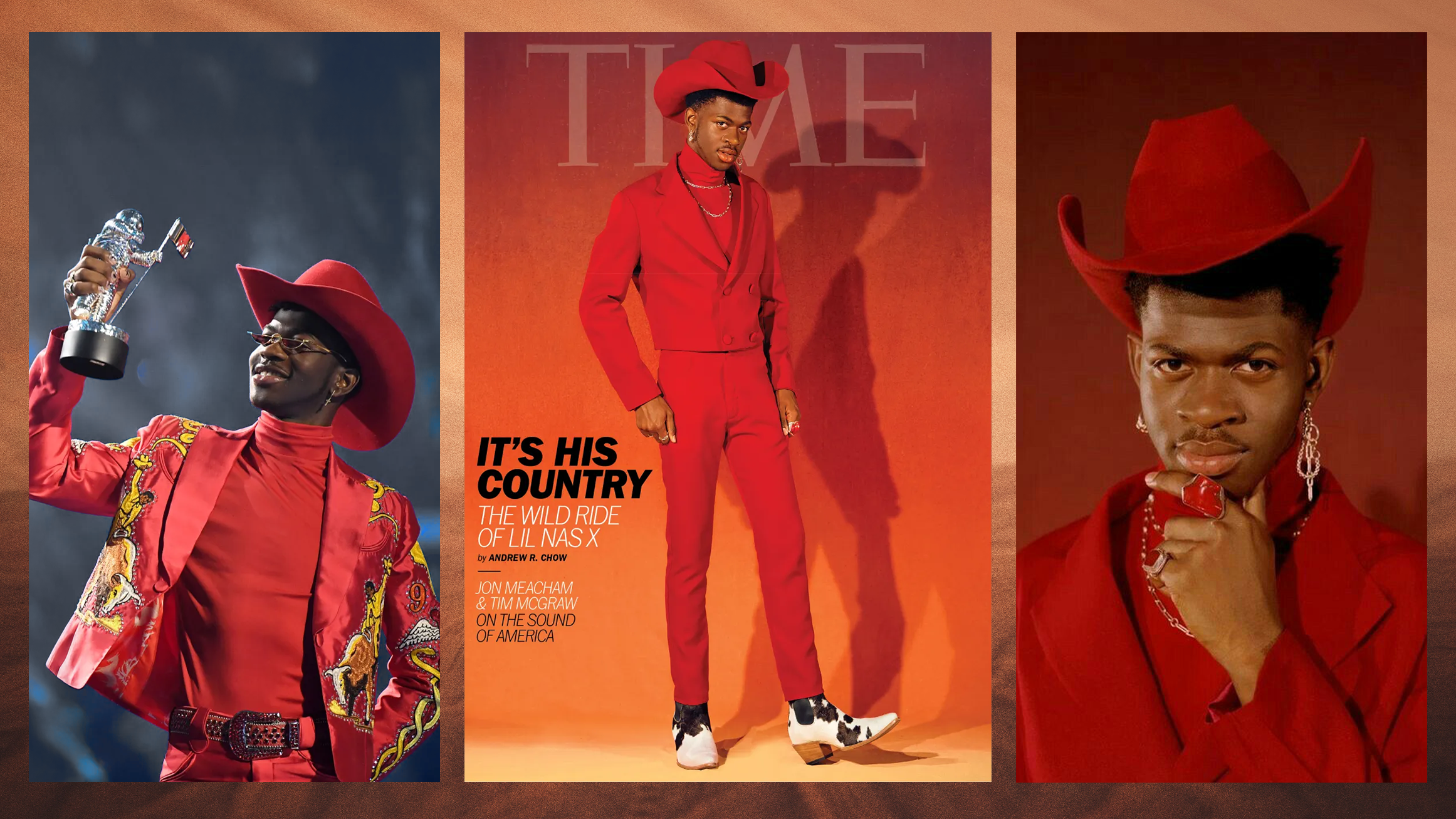
Not actual cowboy culture, but the modern reinterpretation of it. Cowboy boots in SoHo. Fringe jackets. Bolo ties. Leather. Americana aesthetics bleeding into fashion, music, photography, branding, even social media visuals.
Five years ago, most people would’ve laughed if you said western wear was about to become mainstream again.
Now it’s unavoidable.
Trends Never Really Die
The biggest realization I had while researching all of this is that trends almost never disappear completely. They hibernate. It’s a cycle.
People treat trends like they’re born out of nowhere, but most of the time they’re just old ideas waiting for the right cultural moment to resurface. Cowboy culture is a perfect example.
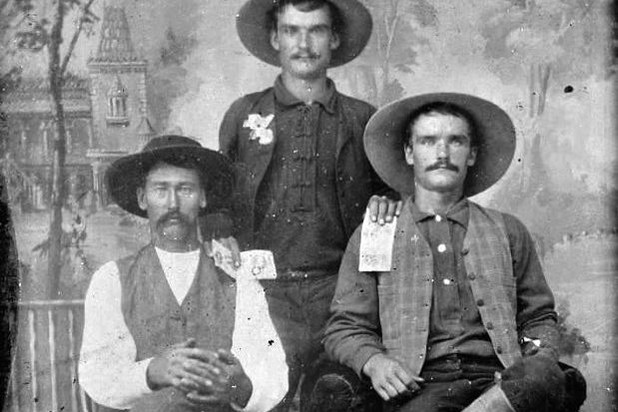
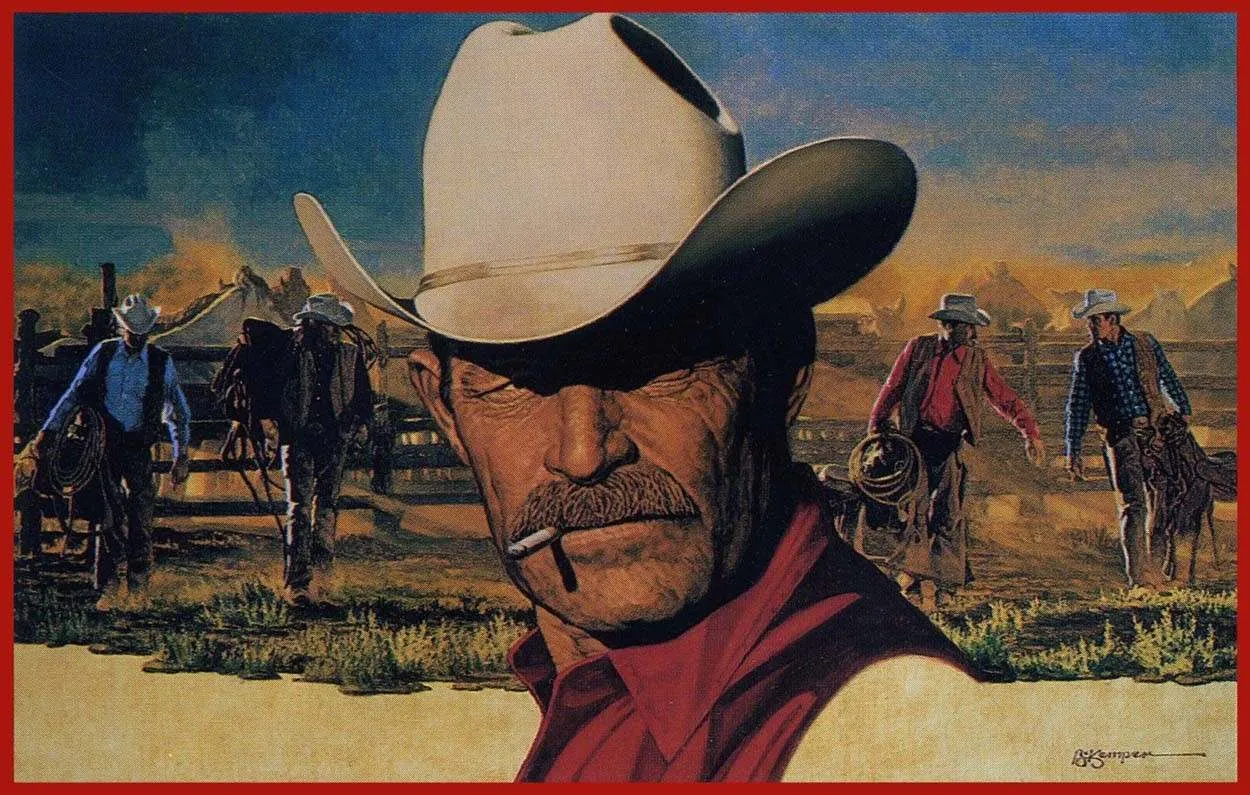
The original aesthetics came from Mexican vaqueros in the 1700s and 1800s. Functional clothing built for working outdoors - leather chaps, hats for sun protection, boots for riding. Utility became identity.
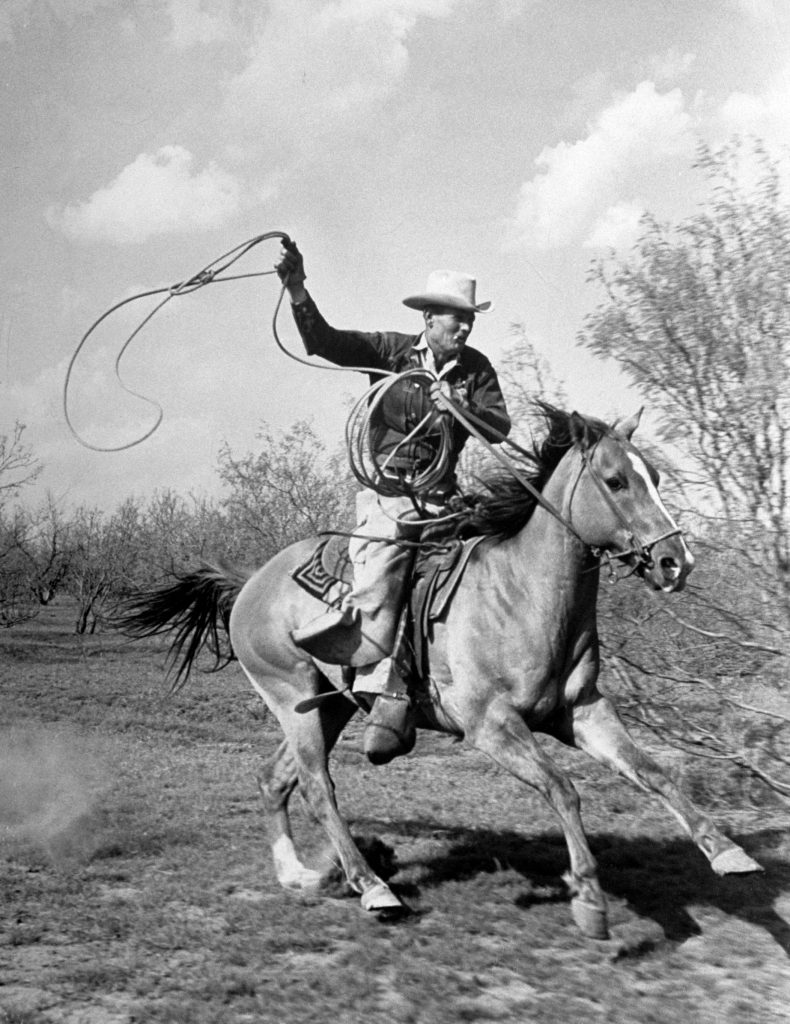
Then Hollywood mythologized the cowboy in the 1900s. Suddenly the cowboy wasn’t just a worker anymore, it became this cinematic symbol of rebellion, masculinity, freedom, danger, independence.
The Artist Is Usually the Spark
I don’t think artists “predict” trends in the traditional sense.
I think great artists absorb tension from culture before everyone else fully understands it. hen they turn that tension into visuals, music, fashion, films, photography, performances. Something people can emotionally connect to. That’s why certain projects feel bigger than just aesthetics.
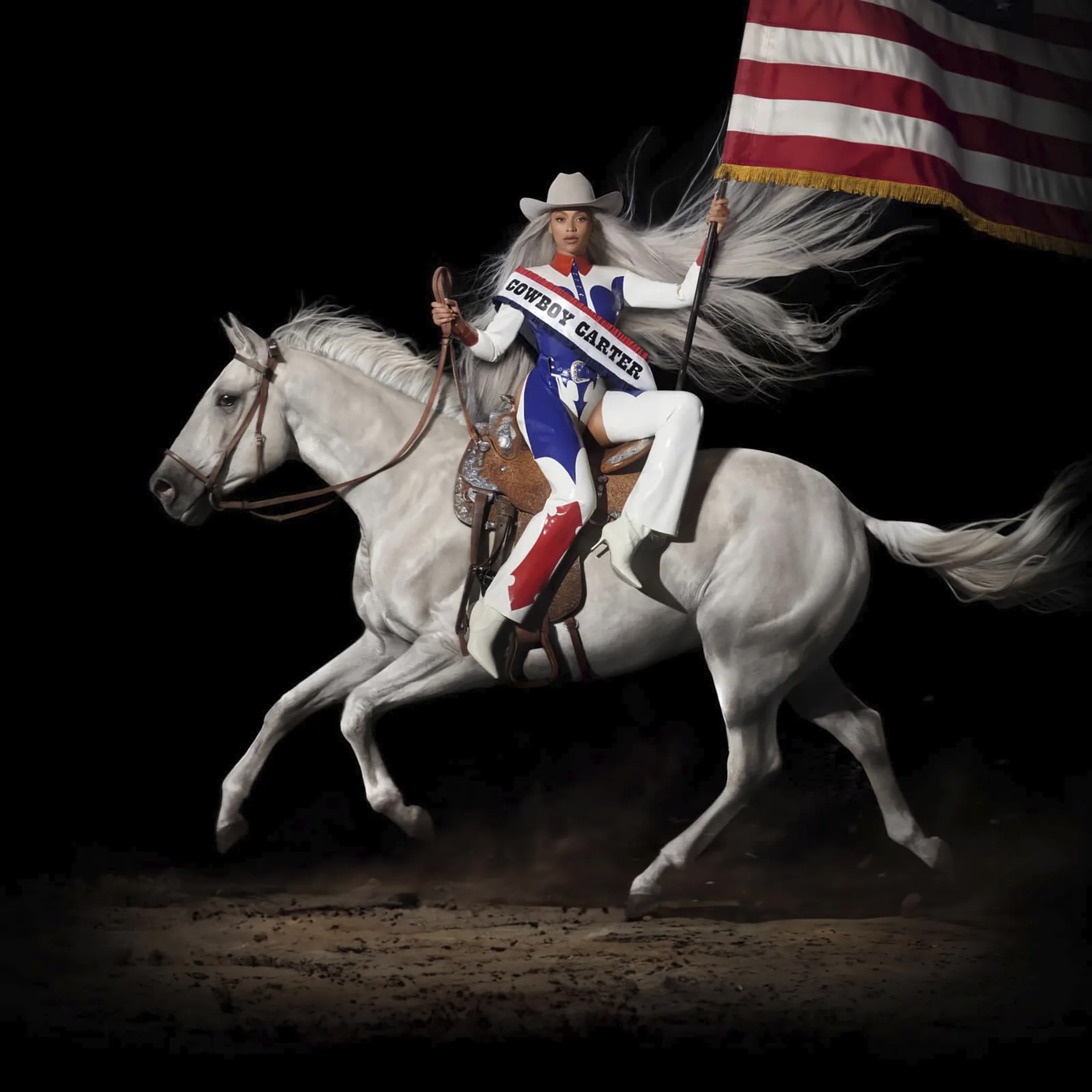
When Beyoncé dropped Cowboy Carter, it didn’t just feel like an album rollout. It felt like a full cultural shift happening in real time.
And when I went to the concert, the craziest part wasn’t even the performance itself.
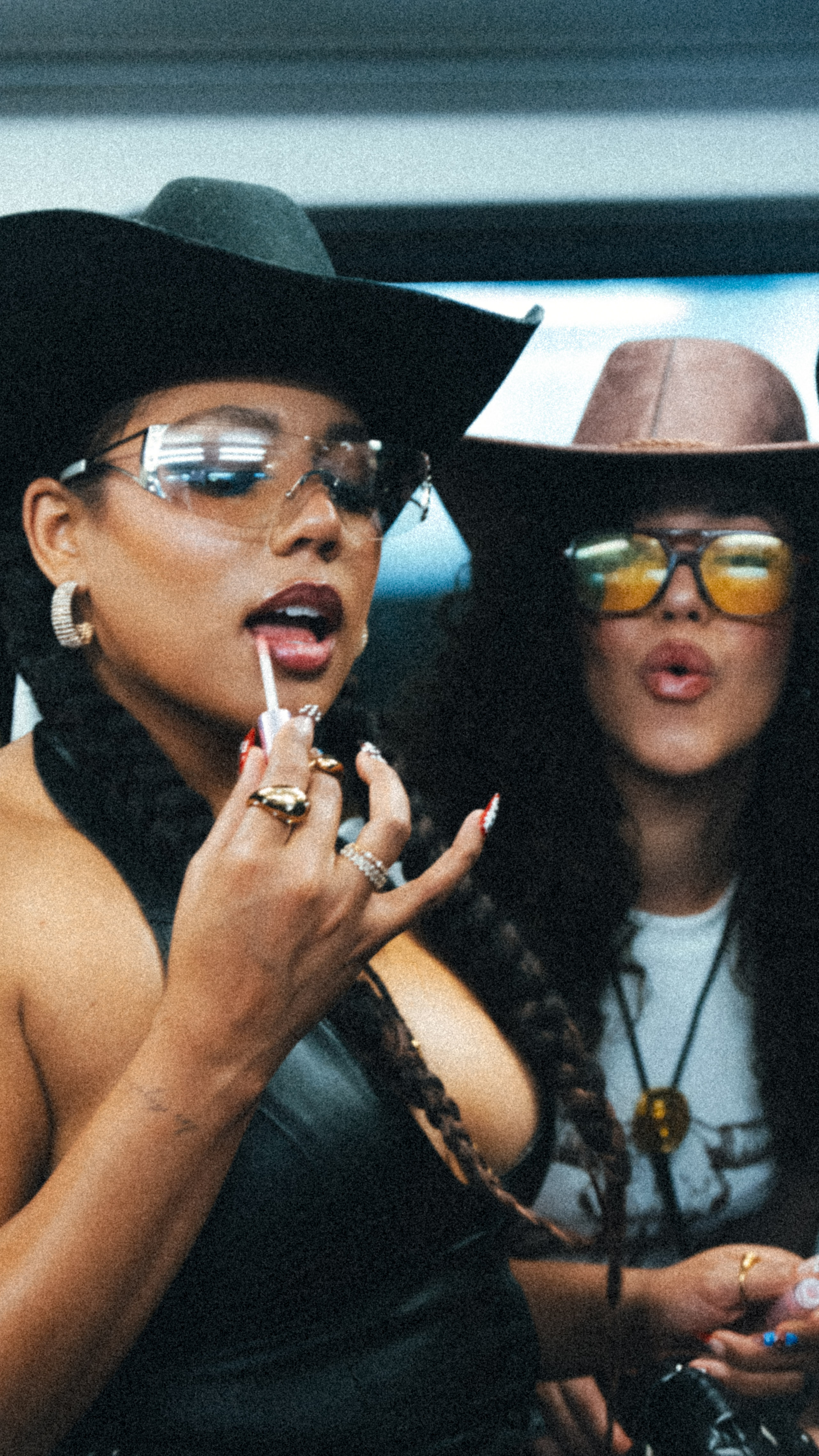
It was seeing thousands of people participate in the same visual identity at once.Entire stadiums dressed like cowboys.Sparkly hats.Boots everywhere.People fully committing to the aesthetic.
That’s when you realize trends aren’t really about clothes.
They’re about belonging.
We’re Living Through the Era of Reinterpretation
The modern cowboy isn’t actually about ranches or horses anymore. It’s become symbolic. Rebellion. Freedom. Performance. Individualism. Escapism.
That’s why the trend spread so fast.
The details themselves almost matter less than the feeling they represent. And honestly, I think that’s why people are becoming increasingly obsessed with authenticity and craft again.
We’re drowning in fast content right now. AI-generated everything. Disposable trends. Aesthetic cycles that last three days before everybody moves on. So when somebody creates a genuinely obsessive body of work with real intention behind it, people feel it immediately.
Craft becomes magnetic again.
The Next Wave
The question is now obvious: what’s the next wave?
Honestly, I think we’re moving toward two things at the same time.
First: a return to more outdoor, active, utilitarian lifestyles. People are tired of hyper-digital living. People want physical experiences again.
Nature. Movement. Adventure.
Objects that feel durable and functional instead of purely aesthetic. But alongside that, I also think we’re about to see a punk and grunge resurgence happen again. Not necessarily copy pasted from the late 90s - but a modern version of that anti establishment energy. Because culturally, people are frustrated. And fashion has always reflected frustration before it reflects optimism.
Doc Martens. Chains. Distressed textures. Messier silhouettes. DIY aesthetics. Raw photography. Flash. Imperfection.
It makes sense right now.
No items found.
So How Do You Actually Predict Trends?
You experiment.
That’s it.
You pull references from the past. You remix them. You test ideas constantly. You pay attention to emotional undercurrents in culture instead of just aesthetics.
Most ideas fail.
Most experiments go nowhere.
But every once in a while, something resonates with enough people that it escapes the niche and hits the main stage. That’s when a trend is born. Or more accurately, as we’ve now learned - reborn.
And honestly, maybe that’s the real takeaway here:
The artists who shape culture usually aren’t chasing trends. They’re paying attention to what people are emotionally starving for before everybody else notices it.


-kopi%202.png)
.png)
.png)







%20-%20Howdeyonce_14.00_03_09_06.Still012.jpg)
%20-%20Howdeyonce_14.00_00_09_15.Still002.jpg)

%20-%20Howdeyonce_14.00_04_28_21.Still013%20(1).jpg)
%20-%20Howdeyonce_14.00_00_54_16.Still009.jpg)